7.1.26 – Following Recipes

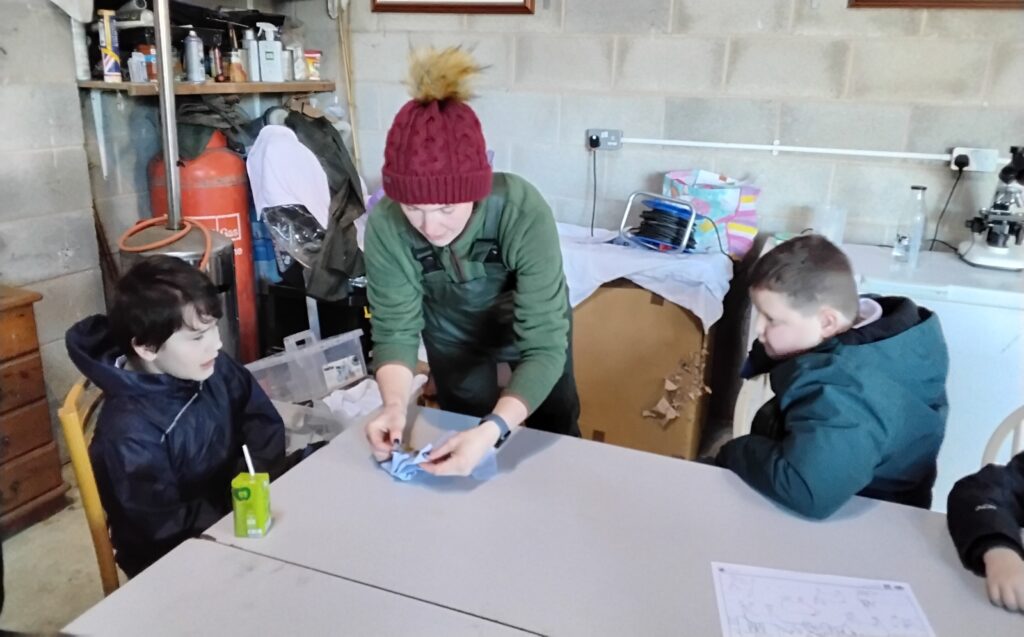
Today, Fairsnape took part in a practical cooking activity to support our English learning- instructional writing. To help the children understand the purpose and structure of instructional writing, we followed a recipe to make rocky road biscuits, working in two small groups.

Before starting, we looked closely at the features of a recipe together. In their groups, the children discussed what they could see and confidently identified a title, an ingredients list, and clear instructions. They were also able to draw on their previous learning about non-fiction texts, recognising that a recipe is a type of non-fiction. We compared this to other factual writing we studied last term, such as newspaper reports and biographies, which helped to deepen their understanding.

During the activity, the children worked collaboratively and took turns to read and follow the instructions carefully. We kept everything the same and followed the recipe exactly, which helped the children see the importance of clear and precise instructions. The practical nature of the task supported engagement and teamwork.

Once our rocky roads were finished, the children tasted them and shared what they liked and did not like, explaining their reasons. This discussion will feed directly into future lessons, where the children will write their own rocky road recipe, deciding which ingredients or steps they would like to change or keep the same based on their experience today.

Overall, this activity supported the children’s understanding of instructional writing while also developing real-life skills and giving them a meaningful experience they can draw on in their own writing.

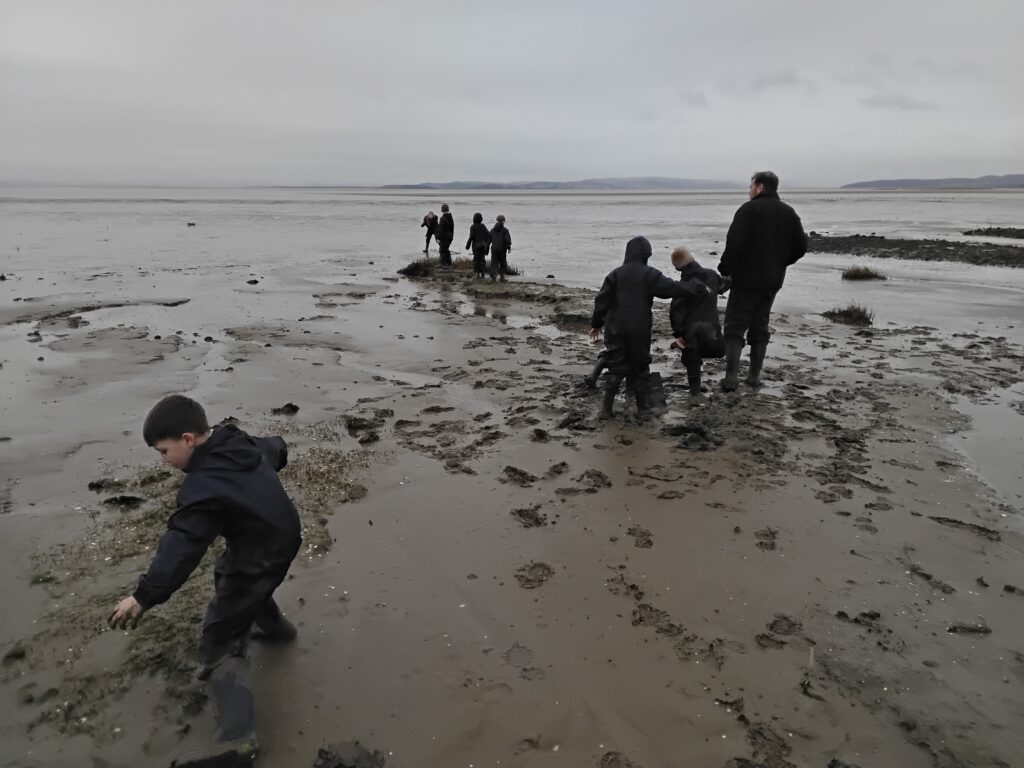
To end the day, we had a sensory session and explored some messy play! The children absolutely loved their introduction to this terms topic: Muck, Mess and Mixture!

Nicky Nook Hike

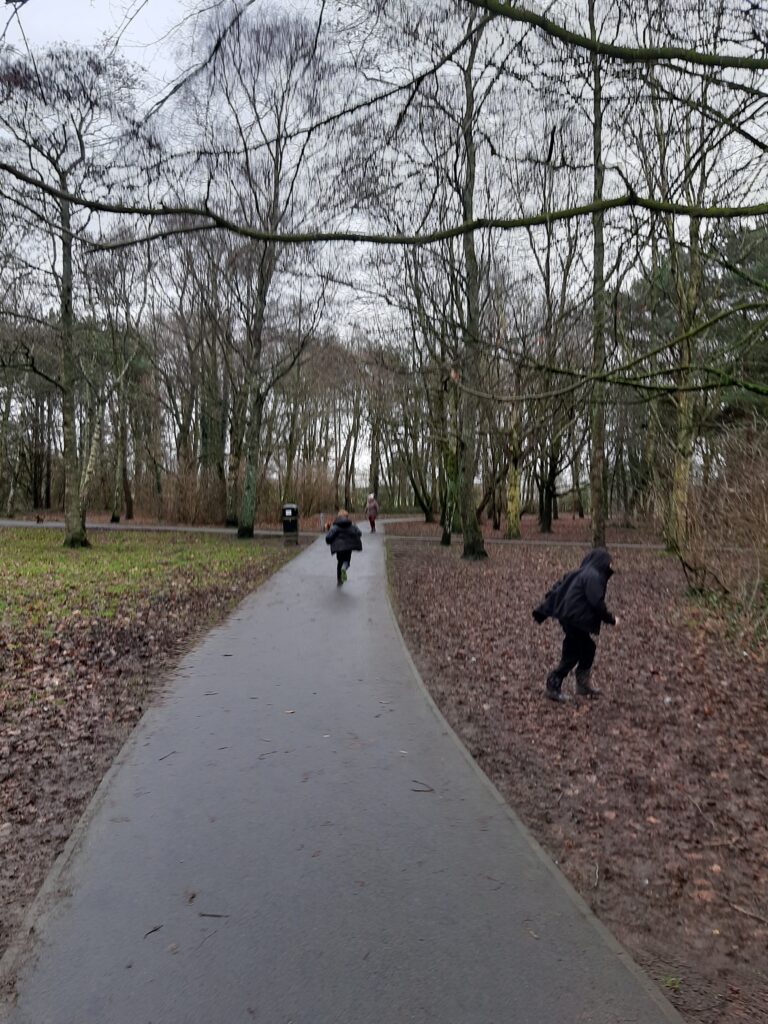
The children had an exciting adventure hiking up Nicky Nook, spotting trees, streams, mud, fences and amazing views along the way. As we walked, the class began making up their own alliteration phrases, inspired by everything they could see, hear and squelch through!

The walk certainly wasn’t short of drama. Archie and Ranell managed to get themselves properly stuck in the mud—not just their feet, but their shoes and boots actually disappeared into it! There was a lot of laughing, a bit of slipping, and eventually some very muddy rescuing. Kai showed incredible bravery too. Even though he’s not a fan of heights, he pushed himself to keep going and ended up walking most of the way up the hill with a big grin on his face. Meanwhile, Frankie and Ollie seemed to think the hill was a racetrack. They zoomed ahead, dragging poor Mr Meadows into a full workout as they powered up the steepest parts of the route!

During our rest stop, the children played around with more alliteration, testing out tongue-twisting phrases and trying to outdo one another with the silliest (and most impressive) ideas. The next day in class, we looked back at the photos from our adventure and used them to help us create a whole-class alliteration poem. It set the perfect tone for diving into our next topic on poetry.

Here’s the class poem we created together:

Brilliant Bleasdale bowed to the beauty,
Watching great, green, growing grass,
Amazed by the humongous, healthy hills.

13/11/2025 – Beacon Fell

We had a brilliant day out at Beacon Fell, even though the weather was definitely on the colder side! The children didn’t let that stop them—they wrapped up warm and enjoyed exploring the outdoors from the moment we arrived.

We spent lots of time walking across different terrains, including muddy paths, rocky tracks, and soft forest ground. The children were great at noticing how each surface felt and how they needed to move their bodies differently to stay balanced whilst they used different vocabulary to discuss what things felt or looked like. They were completely absorbed in the natural environment, spotting interesting plants, fallen branches and looking for any animal trails on the ground. One of the highlights of the day was when we were lucky enough to spot a deer standing quietly between the trees. The children were fascinated and spent a lot of the day talking about what the deer looked like. This led to a lovely discussion about why it’s important to look after wildlife and protect their habitats, especially in places like Beacon Fell where so many animals rely on the landscape to survive.After our walk, the children enjoyed some time on the wooden play equipment. This was a great chance for them to work together, communicate, and support each other as they climbed, balanced, and navigated the different obstacles. It really encouraged the use of their gross motor skills, and it was lovely to see them playing positively together and spending time helping each other. 

Before we left, we made a fun link to our Drawing Club book ‘Room on the Broom’ by Julia Donaldson. The children explored the area to find natural items—sticks, leaves, pinecones, stones—and we talked about what magical potions we might create if we popped them into a cauldron just like in the story. They tried really hard to discuss their ideas and use their imaginations meaning we ended up with some brilliant (and slightly muddy!) potion ideas.

Overall, it was a wonderfully engaging day full of fresh air, teamwork, imagination, and hands-on learning.

11/11/2025 – Science and DT

Bleasdale has been busy exploring exciting activities in both Science and Design & Technology, all inspired by the topic “Invasion from the Vikings” and cultural-based designs. The pupils have been developing their creative skills whilst learning about Viking culture and science concepts related to the water cycle.

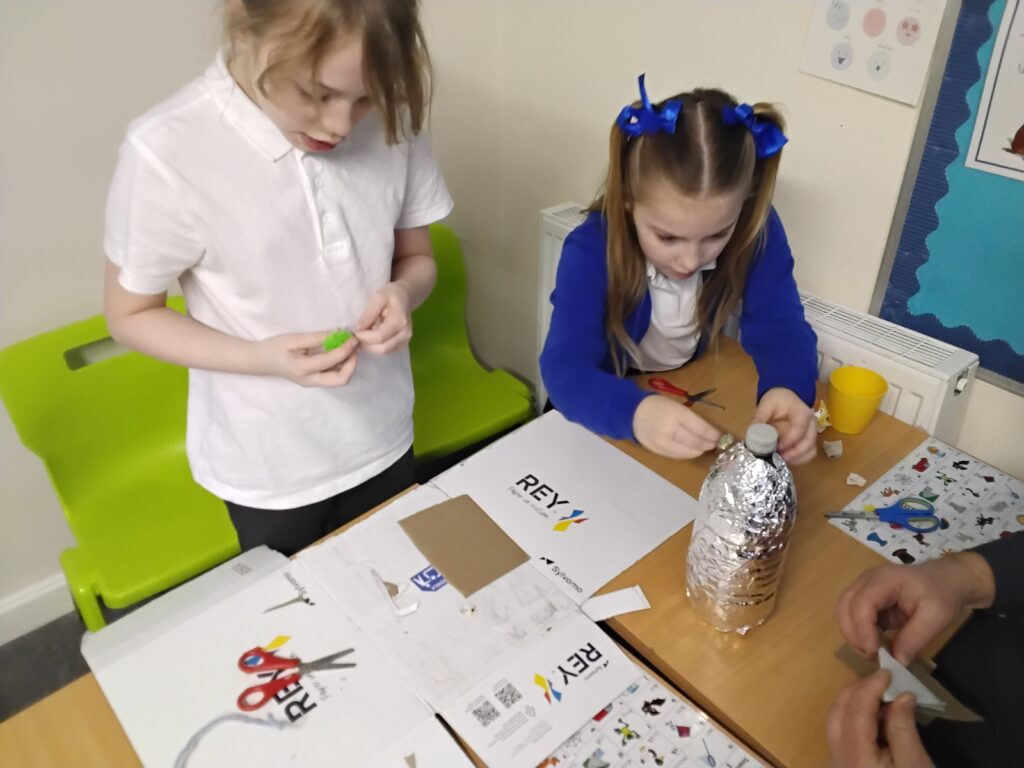
In Design & Technology, students created a variety of Viking-inspired items. We made beautiful brooches from felt, designed bracelets using safety pins, coloured beads, and clear beads, and added intricate details with thread. We also got creative with paper, rolling coloured paper to make beads and fashioning them into stylish bracelets. These hands-on activities not only allowed the pupils to learn about Viking artefacts but also honed their fine motor skills and artistic expression.

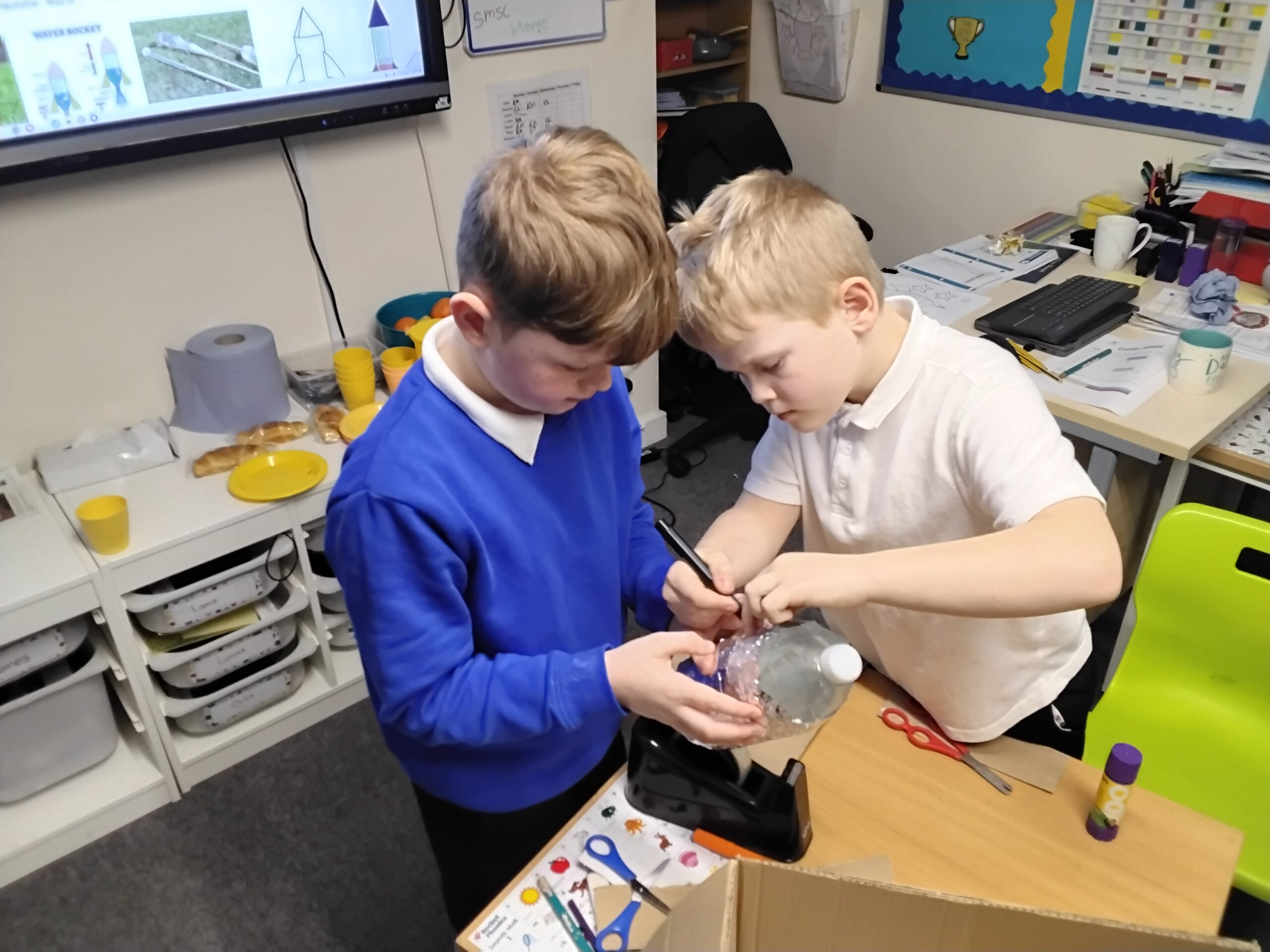
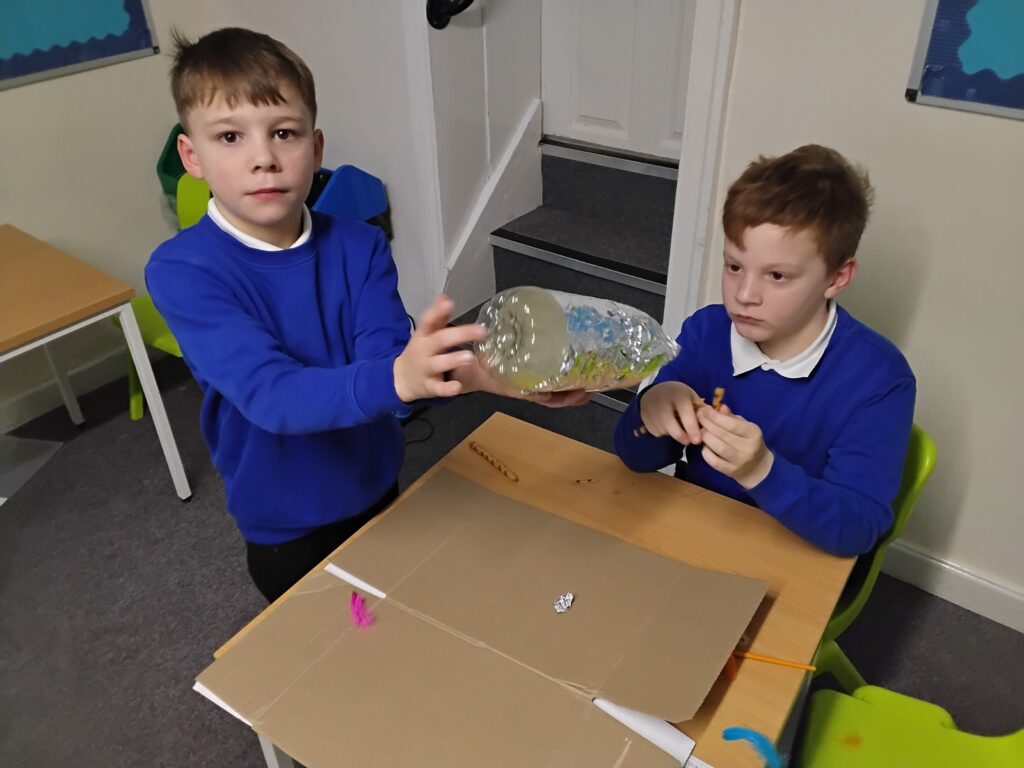
In Science, the class wrapped up their study of the water cycle by diving into the concepts of evaporation and condensation. Pupils learned key vocabulary and were able to confidently recite terms such as “evaporation,” “condensation,” and “precipitation.” To deepen their understanding, they conducted a hands-on experiment: boiling water in a pan to observe how the liquid turned into water vapour (a gas), then catching the vapour in a bottle. As the vapour cooled, they saw how it turned back into water droplets, demonstrating the process of condensation. This experiment provided a clear and engaging visual of how water moves through the different stages of the water cycle.

Overall, Bleasdale has made fantastic progress, engaging with both historical and scientific concepts through creative projects and experiments. Well done to all pupils for their hard work and enthusiasm!

Leyland Commercial Vehicle Museum – 8/10/2025

In previous learning our children have learned about events and people from the past, such as the Great Fire of London. They have explored how life was different in the past compared to today, looking at homes, schools and jobs. In our current learning we have been looking at significant people and technology (buses, boats, space ships etc) and the impact that these people and inventions have had on us today.

During our visit to the vehicle museum, we had the opportunity to see real examples of old and modern vehicles, which helped us to see first hand how transport has developed across different time periods. We discussed how materials, designs and technology have evolved to make travel faster, safer and more comfortable. By observing these changes, the children could make thoughtful comparisons between the types of transport used in the past and the vehicles they see and use today. We then thought about the impact these vehicles have had upon us today and what is similar/different to the vehicles we use today.

As part of our learning, the children also drew upon their understanding of Rosa Parks and her brave decision to sit on a bus to take a stand against segregation. Her story helped the class to recognise that transport is not only important for how people move from place to place, but also plays a key role in social change and equality. We discussed how Rosa Parks’ bravery became a powerful symbol in the fight for civil rights and fairness, reminding us that the history of transport is closely linked to the history of people’s rights and freedoms.

15/10/2025 – Greenlands Farm

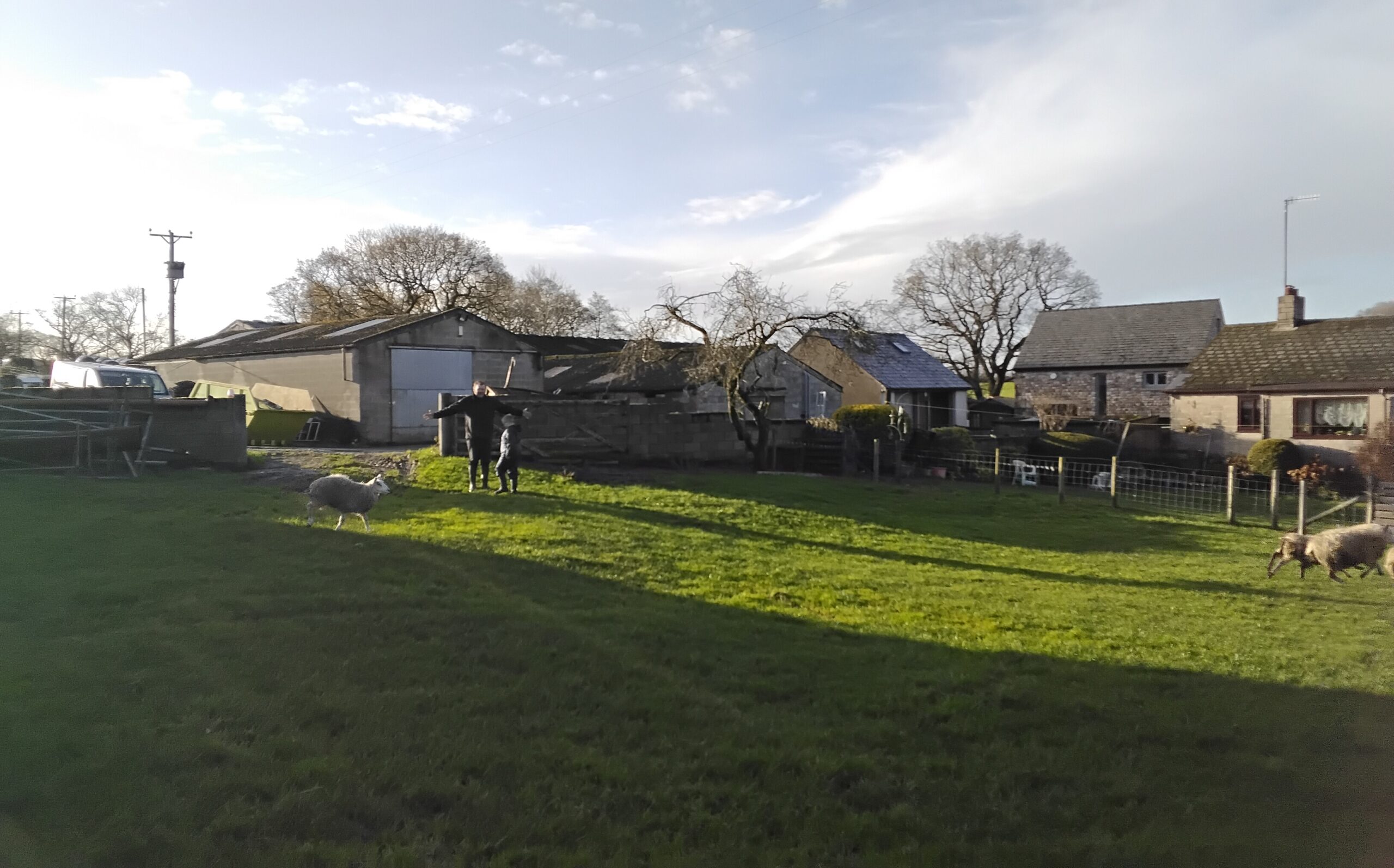
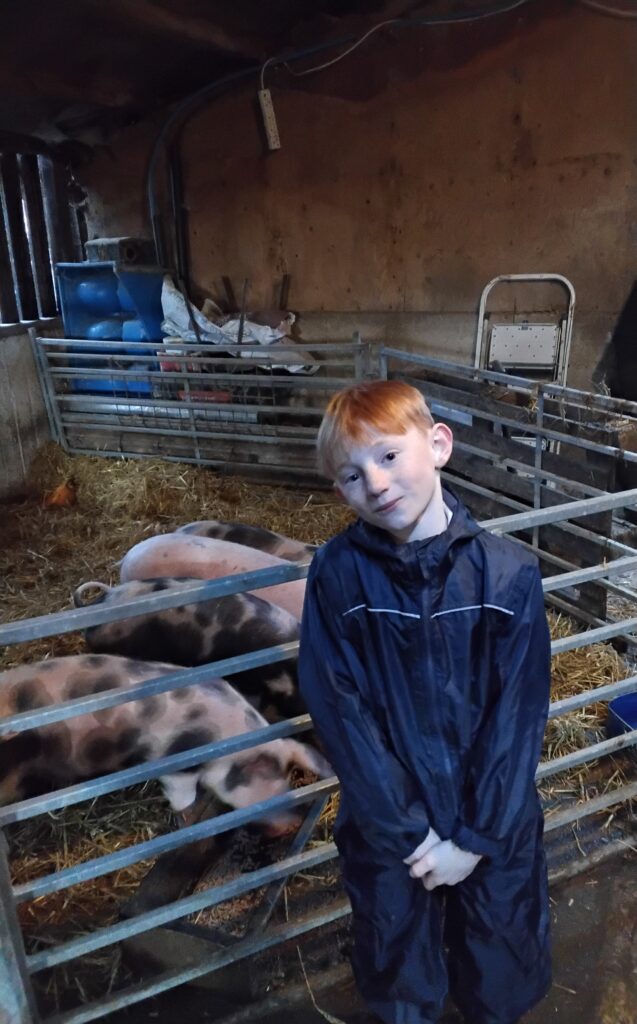
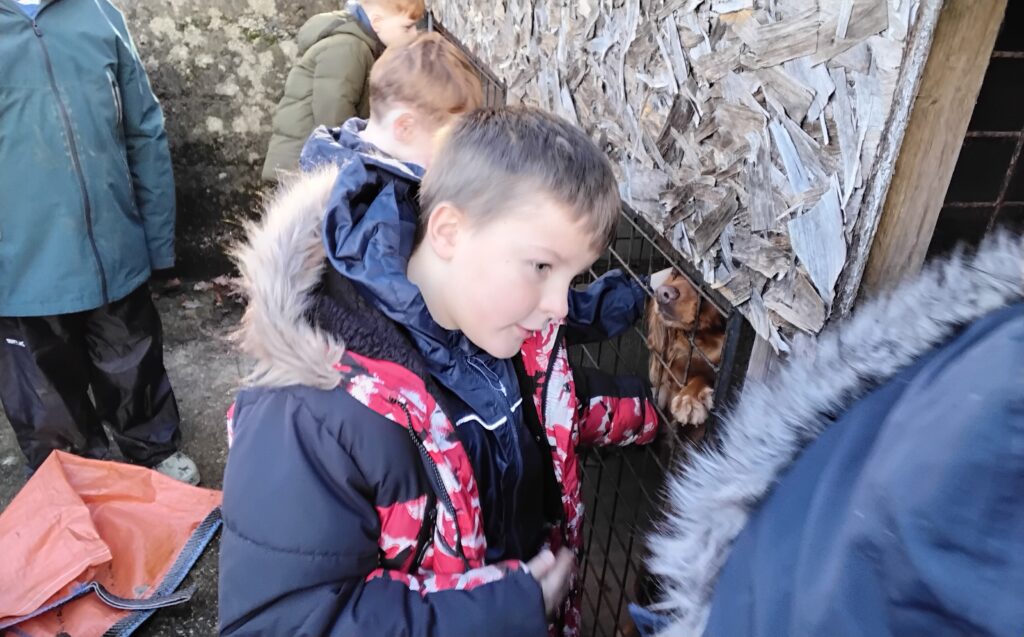
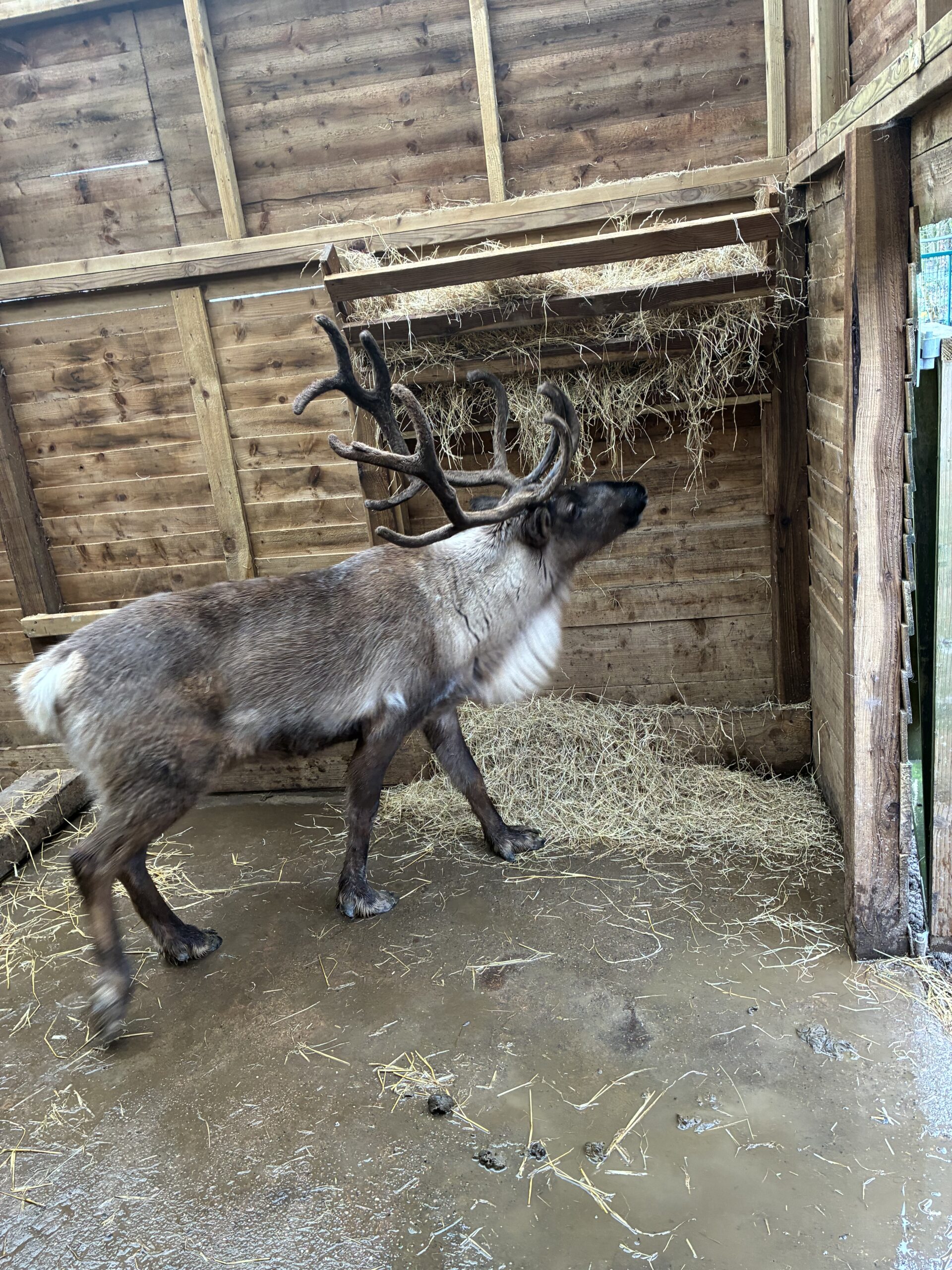
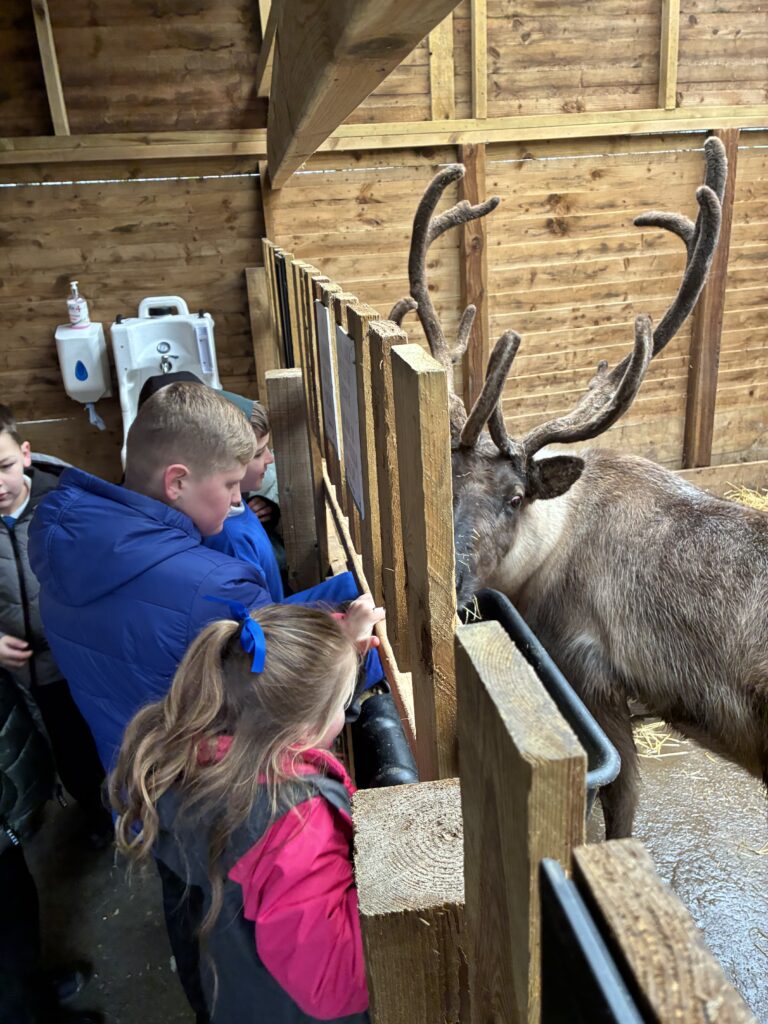
On the 15th October Nicky Nook visited Greenlands Farm. This was an educational visit which linked to the class topic of Paws, Claws and Whiskers but it also linked to our Science topic (animals including humans). 

During the visit the students looked at many different farmyard animals, including cows, goats, rabbits, guinea pigs, sheep, chickens, llamas and alpacas. The learners discussed what their diets might be and what species they belong to. Some students were able to give reasons as to why they belong to certain species, such as they are mammals because they have fur or give birth to live young and not eggs.  Also the students recalled some key vocabulary based on species and the diets of animals.

Not only were the students able to recap key learning from our lessons, they demonstrated enjoyment throughout and shared the environment well with the local community visiting on that day.

Golden Time 14/10/25

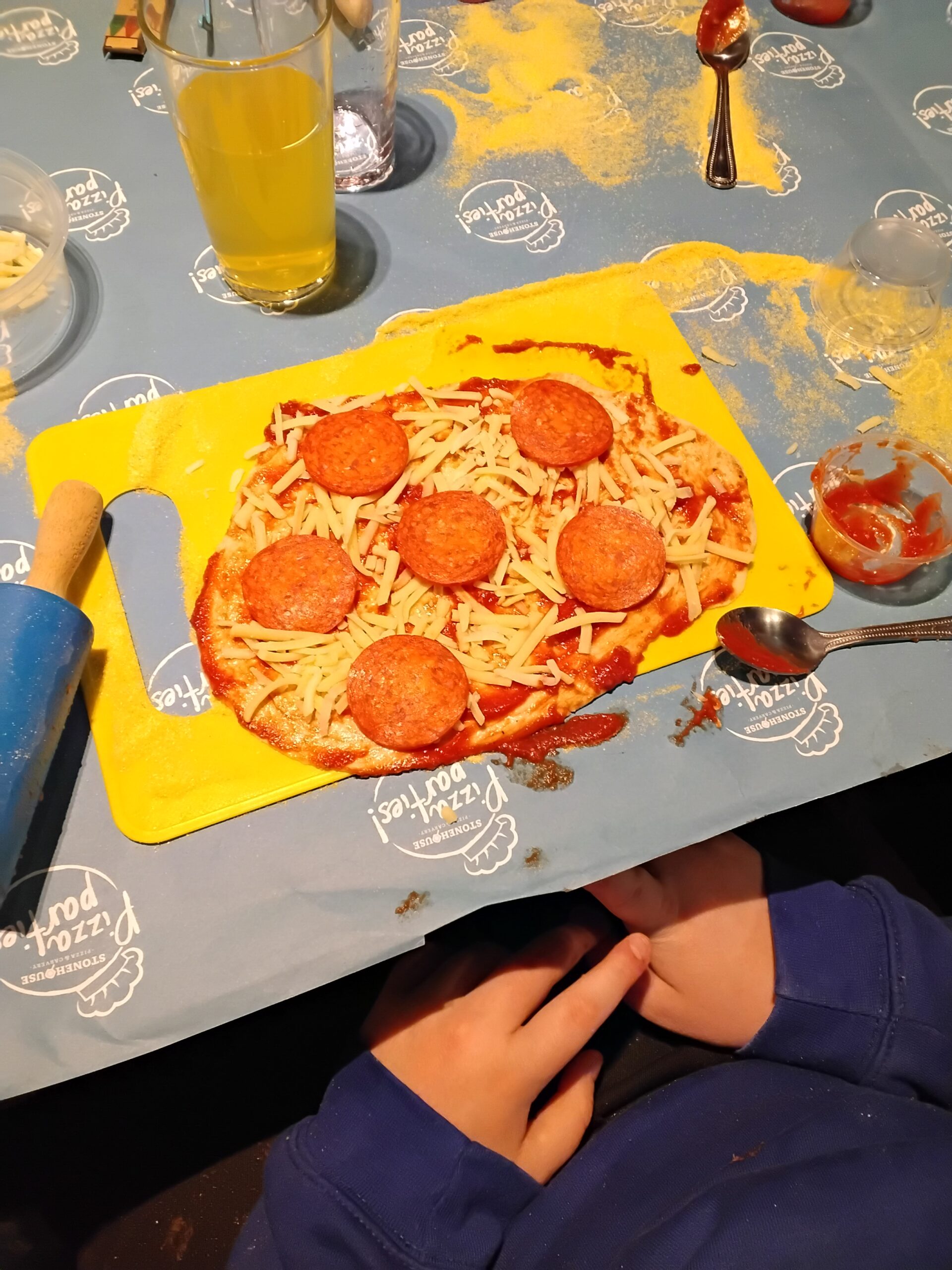
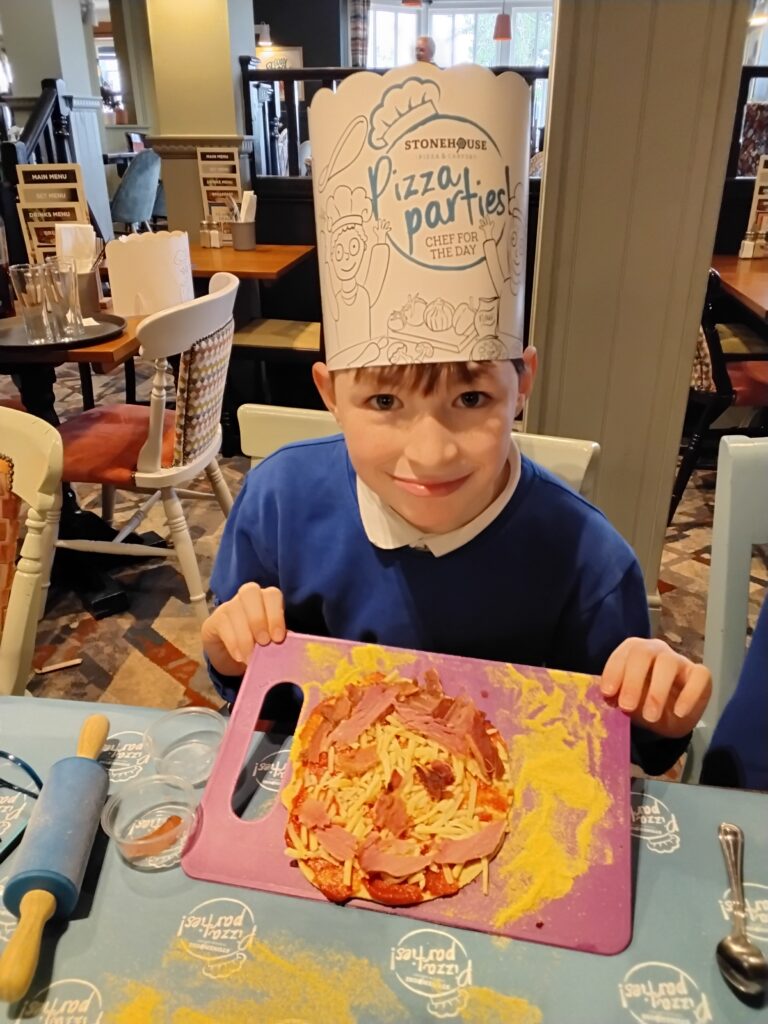
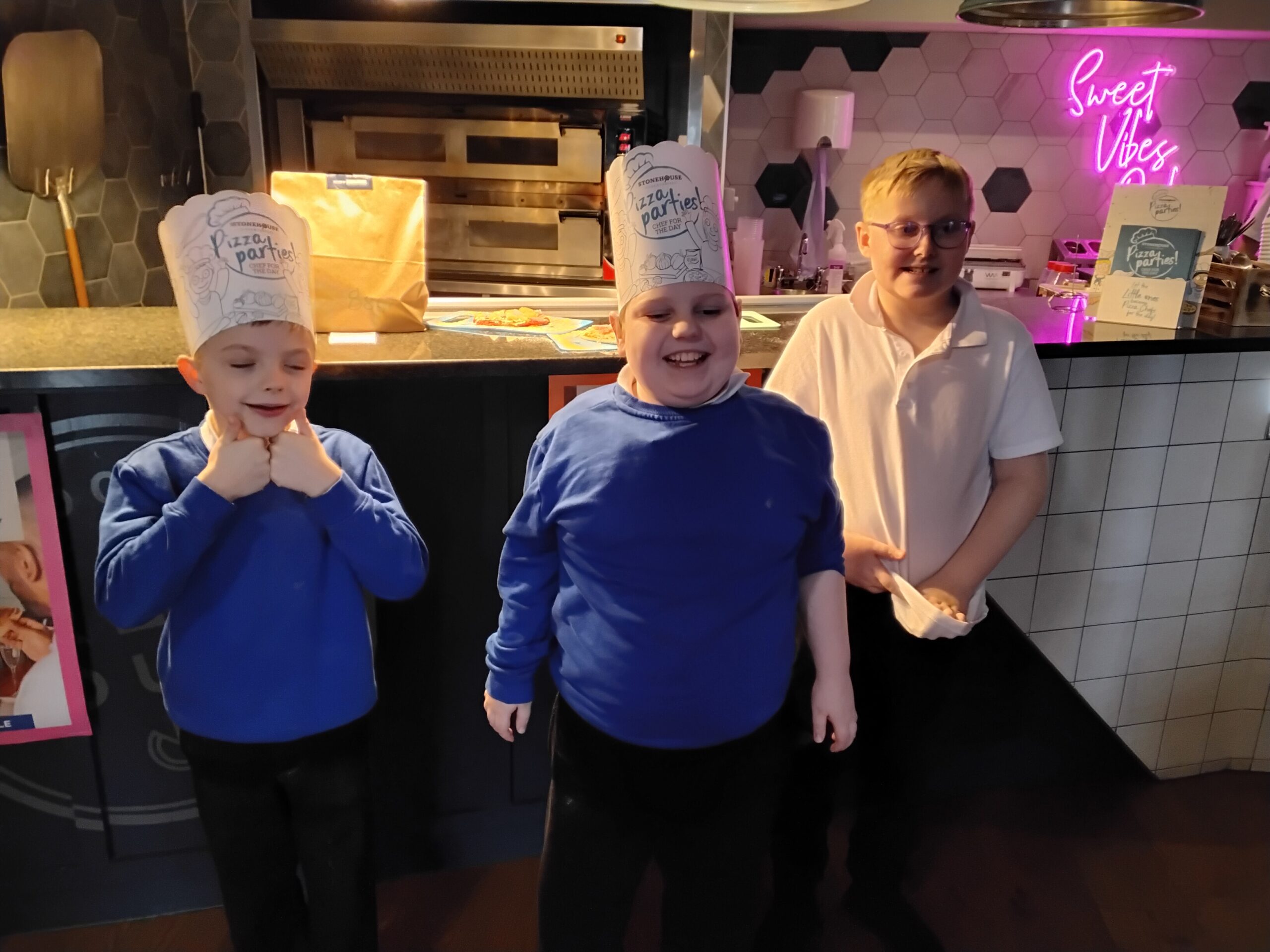
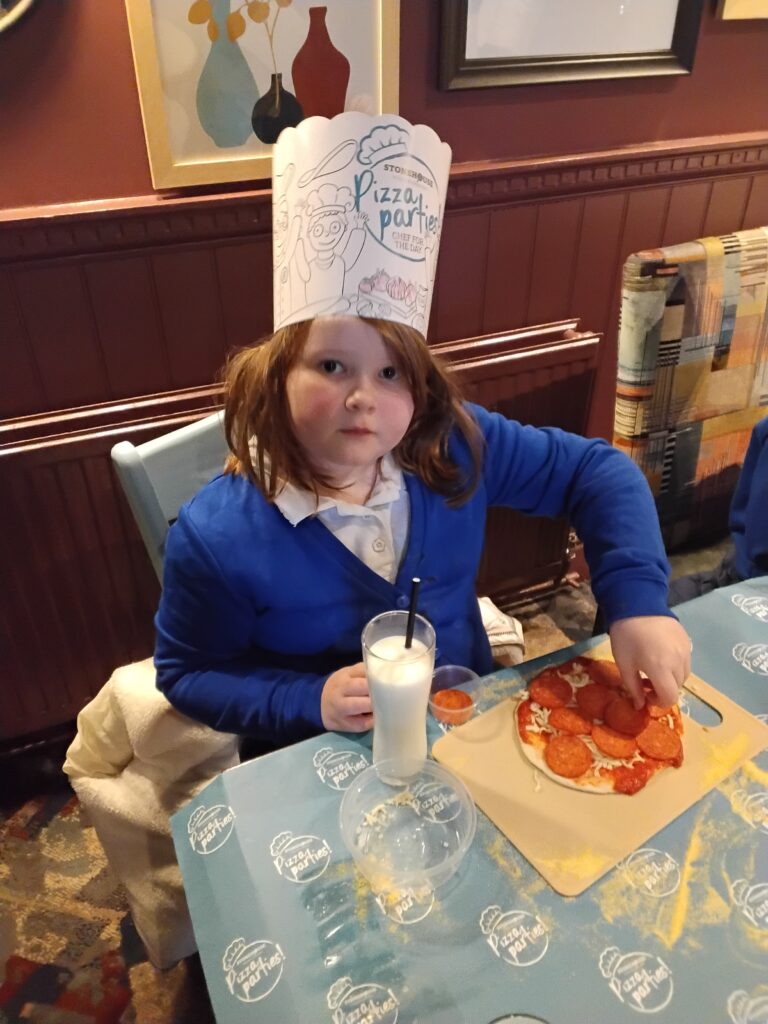
Throughout this half term we have been looking out for both children and adults who are ‘caught being kind, helpful or doing something for someone else’. Across the whole school we have observed many actions. During our assemblies this week we have shared these acts and the children have received a gold sticker. Some children, however, have gone above and beyond and been recognised four or five times by different members of staff. Recognition of this wonderful achievement has resulted in six children earning a trip to Pizza Hut. A massive well done to all and an extra special well done to Lydia, Theo, Levi, Codie and Archie.

Brockholes visit 1/10/2025

In Parlick as part of our Topic ‘Lets explore!’ We took our exploration further afield to the Brockholes Nature Reserve. Despite the rainy weather, the nature reserve provided the opportunity for our class to engage with a local, open space whilst also exploring seasonal changes and what these look like in a natural environment. 

Throughout their experience, students engaged with physical activities which involved climbing, negotiating spaces and walking through different terrains- whilst also using their observational skills to explore various habitats (bugs, birds and deer) and natural objects such as trees and plants before discussing how these have changed based on the Autumnal weather. 

In the classroom, we have been sharing ‘We’re Going on a Bear Hunt’ as our Topic story, so our trip provided us with the opportunity to recite and practice the tale whilst experiencing some of the environments such as ‘thick, oozy mud and long, wavy grass’. To ensure we could continue creative and explorative learning at School, we collected sticks and various coloured leaves to take back to the classroom with us. 

Homles Wood 30/09/2025

This week, Bleasdale Class took their learning outdoors with a series of exciting activities in Holmes Wood. In science, pupils explored changes of state through hands-on investigations. They observed a candle melting from a solid to a liquid before cooling back into a solid again. They also investigated how chocolate changes when heated, carefully spooning the melted chocolate onto cakes before watching it cool and solidify. The class went on to explore how whipped cream can change from a gas to a solid while still showing properties of a liquid. Pupils created detailed drawings of these processes while surrounded by the natural setting of the woods, linking their science observations with their art skills. Later, they will add labels and write conclusions to demonstrate their scientific understanding.

In history, the children continued their outdoor learning with a scavenger hunt through Holmes Wood. They searched for missing pieces of a jigsaw puzzle and then worked in teams to race through questions about the Anglo-Saxons. Through this challenge, pupils deepened their knowledge about who the Anglo-Saxons were, the difference between invaders and settlers, what life was like during this time, and how archaeologists use evidence to uncover the past.

Throughout their time in Holmes Wood, Bleasdale Class showed excellent teamwork. Staff and pupils supported one another, making the most of the outdoor environment to produce exciting work that reflected both creativity and strong understanding. Pupils demonstrated collaborative skills while thoroughly enjoying their learning across science, art, and history in the woodland setting.

Brockholes visit 24/09/2025

In Oakenclough class as part of our Starry, Starry Night topic in English and our Science topic on Animals Including Humans, we went on a brilliant trip to Brockholes Nature Reserve. The visit was carefully chosen to give children a real-life context for exploring nocturnal and diurnal animals, helping to deepen their understanding of animal behaviour, habitats, and adaptations through first-hand experiences in a natural setting.

During our time there, the children actively drew on their prior knowledge of nocturnal animals to explore the differences between day and night. They engaged in meaningful discussions about what we might see and hear in each setting, sharing ideas and building on one another’s understanding. As part of this collaborative learning, the children exchanged what they already knew about diurnal animals and worked together to identify which animals are nocturnal and typically emerge at night. The children were able to recall animals such as owls, bats, foxes, and hedgehogs, prompting discussions about how these animals are specially adapted to life in the dark. Through this peer interaction, the children not only deepened their understanding of animal behaviour but also strengthened their classroom relationships by listening to, supporting, and learning from each other.

The children also collected natural materials like leaves, twigs and feathers, which they later used in our enhanced provision to create their own nocturnal animal pictures. They had so much fun using their imagination and what they had learned to bring their animals to life.

This trip was a great way to explore nature, link our English and Science topics, and get creative using real-world materials. The children displayed collaborative skills whilst enjoying their learning in a practical way.

We support the following

Councils